


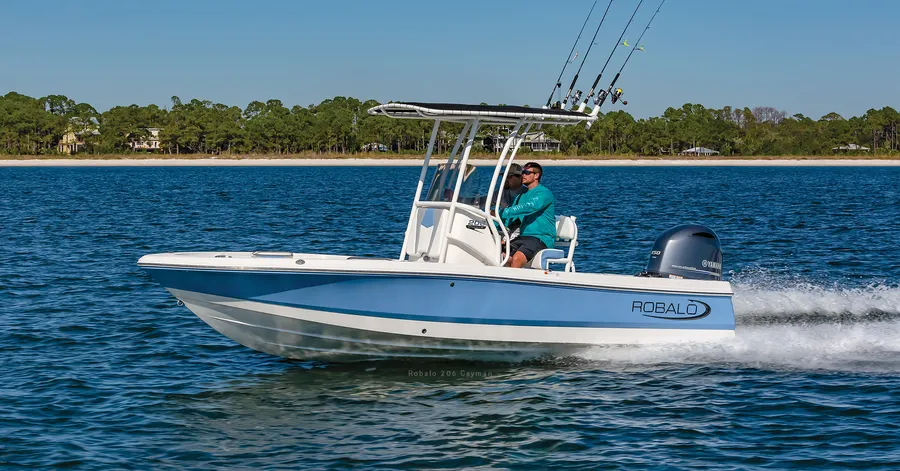
Getting out on the water is the ultimate way to beat the relentless Texas summer heat. Whether you are launching into the busy holiday crowds on Lake Conroe, cruising the river channels around Beaumont, or heading out for a saltwater run from Clear Lake, the sunshine brings endless opportunities for fun. However, hot weather also means you need to adjust your typical boating routine. The intense Texas sun doesn't just beam down from above—it reflects off the water's surface, bounces off fiberglass decks, and can turn uncovered vinyl seats into hot contact hazards very quickly.
By keeping your crew comfortable, shielding your boat's interior from sun damage, and watching out for common summer engine strains, you can keep your summer excursions smooth and completely stress-free.
1. Simple Tips to Keep Your Family Cool and Comfortable
Treating a hot-weather lake or coastal run with a bit of extra care ensures that everyone on board—especially the captain—stays energized and safe all day.
- Get the Canopy Up Early: Don't wait until your guests are already hot and tired to roll out your shade. Deploy your bimini top, sun tower canvas, or integrated arch extension as soon as you clear the boat ramp. Sitting under a shaded canopy drops the direct temperature in the seating lounge significantly, providing immediate relief.
- Pack Plenty of Extra Water: Bring far more cold water and electrolyte drinks than you think you will need. The combination of passing wind, high humidity, and constant boat movement accelerates dehydration before you even feel thirsty. Keep a dedicated cooler packed with fresh ice just for hydration needs.
- Towel Off Throughout the Day: Keep a bin of clean, dry towels handy to swap out wet gear. Allowing damp towels or saturated swimsuits to sit directly on hot marine upholstery creates a humid barrier layer that can weaken your vinyl's stitching over time when baked under the afternoon sun.
2. Guard Your Boat’s Interior from Sun and Moisture
Modern boat interiors are built tough, but the combination of intense Texas solar rays, baking heat, and everyday chemical spills can dry out or crack your premium vinyl if left unprotected.
- Keep Sunscreen Away From Upholstery: Spray sunscreens are great for convenience, but they contain active chemical ingredients that can react with direct sunlight to yellow, dry out, and crack marine upholstery. Have your crew apply spray sunscreen exclusively on the rear swim platform away from the seats, and wipe off any accidental overspray right away.
- Apply a Quality UV Protectant regularly: Treat your boat cushions, bolster pads, and helm configurations with a specialized marine protectant that features built-in UV blockers. This routine care acts like sunblock for your boat, preserving the soft, flexible feel of the material.
- Never Leave Wet Gear Piled on Seats: At the end of the day, avoid throwing wet life jackets, sports vests, or ski ropes into a tight pile on your passenger seats or carpeted decks. Trapping stagnant moisture under hot summer conditions creates a perfect breeding ground for rapid mold and mildew growth.
3. Track Your Batteries and Engine Under Summer Loads
Extreme summer temperatures alter the standard operating environments for your mechanical assets, low-voltage electrical grids, and closed storage compartments.
- Watch Your Electrical Amperage Draw: Blasting your multi-zone stereo system, running water pumps, powering electronics, and keeping onboard coolers chilled while anchoring for hours draws a massive amount of power. High ambient heat makes marine batteries less efficient at holding a charge. Watch your dashboard voltmeter closely, and fire up the engine if your voltage begins to dip.
- Let the Cockpit Vent Before Covering: When you return your boat to a dry slip, enclosed storage unit, or trailered lot, resist the temptation to immediately snap down a tight, non-breathable mooring cover over a damp interior. Park your boat in a secure, shaded perimeter first and let the lockers and lounges air out fully to prevent mildew.
- Rinse Away Salt and Sediment Instantly: End every hot-weather outing with a complete fresh-water rinse of your exterior hull sides, non-skid deck floors, and lower units. Washing off salt spray, mud, and river sediment before they dry prevents stubborn water spots and preserves your gelcoat's high-gloss shine.
Frequently Asked Questions
What is the legal speed restriction for operating a watercraft after dark in Texas waters? While open public reservoirs do not feature posted speed limits during peak daylight windows, Texas maritime law enforces a strict 25 MPH speed limit at night (defined from 30 minutes after sunset to 30 minutes before sunrise). This regulation is vital because ambient shoreline lights easily blend with structural vessel lighting after dark, making it exceptionally difficult to judge tracking velocities, closing distances, and floating hazards.
Why is running the engine bilge blower mandatory before launching or starting an inboard vessel? Fuel vapors are heavier than atmospheric air and will naturally settle into the lowest quadrants of a sealed engine compartment or bilge space. Texas maritime regulations mandate running your engine bilge blowers for a minimum of four continuous minutes prior to starting the engine or turning on electrical systems. This process evacuates any trapped combustible vapors out of the hull, eliminating the risk of a catastrophic static spark explosion inside the engine bay.
Sourcing Authorized Marine Assets & Technical Upkeep
Safeguarding your vessel through variable seasonal conditions requires outfitting your platform with components and mechanical structures calibrated to exact manufacturer tolerances.
- Comprehensive New and Pre-Owned Showrooms: To evaluate rough-water hull geometries, test luxury trim lines, or compare the tracking profiles of elite regional brands, explore our complete regional inventories of New Boats and strictly certified Used Boats.
- Advanced Transom Repower Operations: If your existing power plant exhibits low-end throttle lag or lacks modern digital networks near the courtesy docks, outfitting your transom through our specialized Repower Mercury or Repower Yamaha hubs installs advanced control systems for absolute handling precision.
- Certified Multi-Point Systems Maintenance: From testing low-voltage battery capacities under load to replacing raw-water pump impellers or diagnosing hydraulic steering binding, trust our factory-trained technicians at the Texas Marine Service Center department for detailed cosmetic detailing and preventative mechanical checks. For do-it-yourself maintenance, our Parts Center supplies factory-direct filters, UV protectants, premium vinyl cleaners, and marine accessories.
Fleet Allocation and Financial Coordination
What structural consumer credit frameworks exist for premium vessel procurement? Our internal Financing office constructs customized consumer portfolios, allowing buyers to seamlessly bundle their high-performance hull selection, reliable outboards, technical navigation electronics, and comprehensive Marine Insurance protections into a single structured loan.
Can I leverage my current boat's equity to transition to a modern rough-water platform? Yes. We facilitate transparent, market-accurate asset evaluations to eliminate personal listing delays. To liquidate your old hull and apply its equity directly toward an upgrade, submit your vessel's technical specifications to our Sell / Trade department.
How do I track upcoming dealer events or connect with Texas Marine? To learn about our 45-year legacy serving Southeast Texas mariners, visit our About Us page. You can monitor our active schedule of safe-boating seminars, captain safety workshops, and regional boat shows on our Events page, track continuous technical maintenance guides on our Blog section, see verified customer feedback on our Reviews directory, or connect directly with our specialized team members via our Staff index. To review extended service coverages, check our Extended Service Contracts checklist, and find current promotions on our Specials page. Experience these performance traits firsthand and evaluate various configurations across real-world water conditions by planning your attendance around our scheduled dealer gatherings on our primary active hub.