


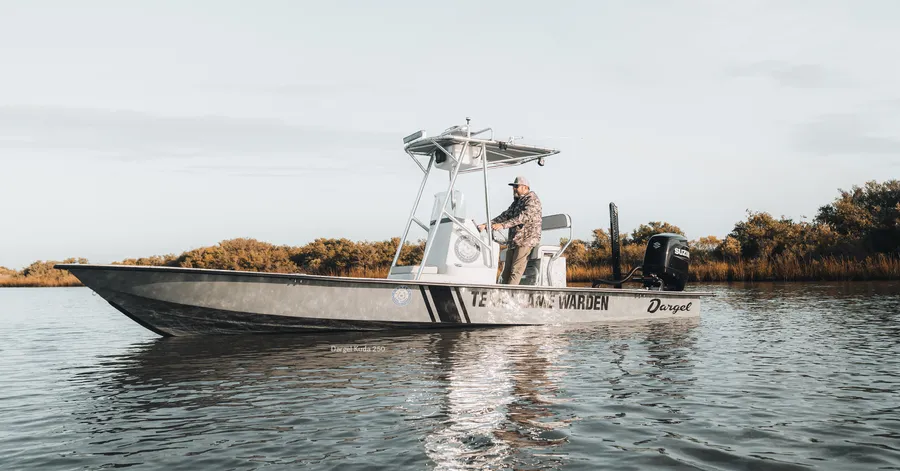
Integrating a direct navigation line to the active Dargel inventory is an essential addition to that piece. It closes the gap between explaining the specialized tunnel hull physics and allowing an interested buyer to analyze the physical layouts, pricing, and jack plate rigging configurations available across our regional showrooms.
The updated asset, matching your precise structural requirements with zero titles or text-based layout diagrams included, is presented below:
Executing a successful fishing or cruising expedition across Southeast Texas's distinct regional waterways demands strict mechanical competence and a hull configuration optimized for highly variable hydrodynamics. The geographic territory spanning from the shallow, wind-swept flats of Clearlake and the Gulf Coast bays to the intense weekend wave patterns of Lake Conroe introduces contradictory piloting demands. Anglers routinely require access to ultra-skinny water columns to locate redfish and trout, yet they must cross open, turbulent bays where sudden afternoon wind gradients generate punishing head chop.
Dargel Boat Works addresses these opposing environmental challenges by engineering specialized, purpose-built center consoles that replace standard hull compromises with targeted maritime architecture. By incorporating innovative tunnel and catamaran platforms, these hulls deliver extreme shallow-water capabilities without sacrificing tracking stability or crew comfort when running through rough water.
1. Specialized Shallow-Water Hydrodynamics and Tunnel Hull Physics
Traditional deep-Vee hulls require significant vertical clearance to prevent catastrophic grounding events, lower-unit destruction, or propeller scarring across protected seagrass habitats. Dargel’s structural designs minimize the vessel's static and dynamic draft through targeted hull geometries.
- The Hydrolift Tunnel and Wide-Beam Matrix: Featured prominently across the iconic Skout and Skooter series, this design utilizes an aggressive central tunnel architecture paired with an expanded beam width. The hull channels a clean, continuous stream of elevated water directly toward the outboard gearcase, allowing the vessel to plane effortlessly and track through ultra-skinny water columns that would instantly strand a conventional dayboat.
- The Catamaran Hull Breakthrough: The revolutionary Dargel Kat series combines the low-draft benefits of a shallow-water flats boat with the wave-splitting advantages of an offshore catamaran. This dual-hull architecture traps a high-velocity air cushion between the sponsons, creating a smooth, dry ride across rough bays and coastal inlets, while maintaining the ability to slide deep into shallow marsh networks.
- Integrated Step-Vee Engineering: The Kuda series leverages a specialized stepped-Vee hull design. By introducing strategic ventilation steps into the running surface, the hull breaks water tension cleanly, reducing hydrodynamic drag, optimizing fuel efficiency, and smoothing out rough head chop along open water corridors.
2. Mandatory Low-Velocity Mechanical Adjustments
Navigating ultra-shallow flats or approaching close-quarters terminal bulkheads during high-wind afternoons requires precise orchestration of your transom rigging assets.
- Hydraulic Jack Plate Optimization: To track through restrictive depths safely, operators must actively adjust the standard 10-inch hydraulic jack plate via helm-mounted blinker switches. Elevating the outboard vertically lifts the spinning propeller and raw-water intake grates entirely above the lowest point of the skeg, allowing for shallow-water hole shots without sacrificing open-loop cooling flow.
- The Idle-and-Neutral Pulse Technique: When maneuvering in high-wind marina perimeters, narrow slips, or tight docking channels, eliminate the common error of applying sustained, high-RPM forward throttle. Approach terminal bulkheads or trailer bunks using short, brief pulses of power—shifting the gear binnacle into forward idle for one continuous second, then dropping back into neutral to let the hull coast. Leverage your boat’s natural hydrodynamic drag to make precise tracking adjustments without risking high-velocity gelcoat impacts.
- The Controlled Abort Routine: If a sudden rogue wake or heavy crosswind gust pushes your bow off-axis near a piling, immediately abort the approach. Shift cleanly into reverse, back out into open water, reset your alignment axis, and execute a fresh, calculated approach vector rather than forcing a compromised line.
3. Angling Utility, Layout Zoning, and Structural Ballast
Dargel configuration layouts move past generic layout shapes to establish an organized, high-utility platform engineered strictly for real-world coastal and inland operations.
- Oversized Aerated Manifold Livewells: Maintaining bait patterns or keeping a tournament catch healthy through intense summer heat loops requires heavy-duty plumbing. Dargel hulls feature dual oversized livewells equipped with automated high-volume aerating systems and continuous recirculating pumps to prevent fluid stagnation.
- Molded Front Casting Platforms: The wide, textured bow decks provide non-skid stability for casting or wading transitions. All integrated deck hatches are built using hand-laminated fiberglass lids secured by heavy-duty stainless steel latches, flush-mounted to eliminate trip hazards and keep structural pathways clear.
- Marine-Grade Component Shielding: To counter aggressive saltwater tracking and intense humidity cycles along the Gulf Coast, the entire electrical grid utilizes marine-grade wiring equipped with watertight heat-shrink connections, routing directly through a circuit-breaker-protected switch panel to insulate house systems against failure.
Technical Frequently Asked Questions
What is the legal speed restriction for operating a watercraft after dark in Texas waters?
While open public reservoirs do not feature posted speed limits during peak daylight windows, Texas maritime law enforces a strict 25 MPH speed limit at night (defined from 30 minutes after sunset to 30 minutes before sunrise). This regulation is vital because ambient shoreline lights easily blend with structural vessel lighting after dark, making it exceptionally difficult to judge tracking velocities, closing distances, and floating hazards.
Why is running the engine bilge blower mandatory before launching or starting an inboard vessel?
Fuel vapors are heavier than atmospheric air and will naturally settle into the lowest quadrants of a sealed engine compartment or bilge space. Texas maritime regulations mandate running your engine bilge blowers for a minimum of four continuous minutes prior to starting the engine or turning on electrical systems. This process evacuates any trapped combustible vapors out of the hull, eliminating the risk of a catastrophic static spark explosion inside the engine bay.
Sourcing Authorized Marine Assets & Technical Upkeep
Safeguarding your vessel through variable seasonal conditions requires outfitting your platform with components and mechanical structures calibrated to exact manufacturer tolerances.
- Comprehensive New and Pre-Owned Showrooms: To evaluate rough-water hull geometries, test luxury trim lines, or compare the tracking profiles of elite regional brands, explore our complete regional inventories of New Boats and strictly certified Used Boats. To audit technical specifications and customize layout preferences on a purpose-built tournament flats platform, browse our dedicated Dargel Boats inventory directly.
- Advanced Transom Repower Operations: If your existing power plant exhibits low-end throttle lag or lacks modern digital networks near the courtesy docks, outfitting your transom through our specialized Repower Mercury or Repower Yamaha hubs installs advanced control systems for absolute handling precision.
- Certified Multi-Point Systems Maintenance: From testing low-voltage battery capacities under load to replacing raw-water pump impellers or diagnosing hydraulic steering binding, trust our factory-trained technicians at the Texas Marine Service Center department. For do-it-yourself maintenance, our Parts Center supplies factory-direct filters, zinc anodes, and marine accessories.
Fleet Allocation and Financial Coordination
What structural consumer credit frameworks exist for premium vessel procurement?
Our internal Financing office constructs customized consumer portfolios, allowing buyers to seamlessly bundle their high-performance hull selection, reliable outboards, technical navigation electronics, and comprehensive Marine Insurance protections into a single structured loan.
Can I leverage my current boat's equity to transition to a modern rough-water platform?
Yes. We facilitate transparent, market-accurate asset evaluations to eliminate personal listing delays. To liquidate your old hull and apply its equity directly toward an upgrade, submit your vessel's technical specifications to our Sell / Trade department.
How do I track upcoming dealer events or connect with Texas Marine?
To learn about our 45-year legacy serving Southeast Texas mariners, visit our About Us page. You can monitor our active schedule of safe-boating seminars, captain safety workshops, and regional boat shows on our Events page, track continuous technical maintenance guides on our Blog, see verified customer feedback on our Reviews directory, or connect directly with our specialized team members via our Staff index. To review extended service coverages, check our Extended Service Contracts checklist, and find current promotions on our Specials page.