


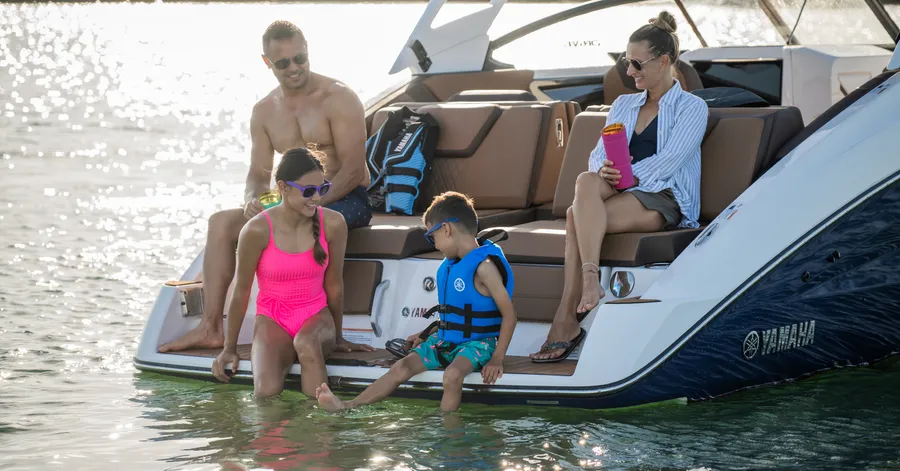
Choosing the perfect boat for your family is all about envisioning the great days ahead—whether you are planning to cruise the lively summer channels of Lake Conroe, explore the winding river networks around Beaumont, or head out for an afternoon run from Clear Lake. However, finding a boat that keeps everyone happy means looking past flashy styling and thinking about how the deck actually functions when full of kids, grandparents, and gear. A boat that looks wonderful on a showroom floor can feel surprisingly cramped if it doesn't have the right layout, enough accessible shade, or intuitive controls.
By focusing on real-world family comfort and convenience, you can choose a vessel that feels like a natural extension of your home and makes every weekend on the water completely stress-free.
1. Seating Layout and Easy Deck Traffic Flow
A great family boat should make it easy for everyone to move around comfortably. Total seat count doesn't matter much if your guests have to constantly stand up or shuffle out of the way just so someone can walk past or grab an item from a cooler.
- Look for Natural Gathering Spots: Think about where your family will naturally sit while you are cruising versus when you drop anchor to swim. A smart layout leaves plenty of legroom and open floor space so that large coolers or beach bags won't block the main walkways.
- Keep Walkways Completely Clear: Make sure the layout features a seamless walk-through path from the front bow loungers all the way to the rear swim platform. Not having to climb over seat cushions makes the boat much safer and helps maintain a balanced, stable ride.
2. Smart Sun Protection and Shade Footprints
When the Southeast Texas summer heat hits its peak, high-quality sun protection shifts from a nice luxury to a must-have safety feature to keep kids and guests from overheating.
- Prioritize the Main Seating Areas: Make sure your boat’s main canopy, bimini top, or hardtop places a deep shadow directly over the spaces where people hang out the most. A small shade structure that only covers the helm chair or the forward bow leaves the rest of your crew exposed to intense afternoon sun rays.
- Look for Easy Shade Extensions: Consider models that support quick canopy extensions or clip-on sail shades. Being able to stretch your shaded area over the rear swim platform while anchored in a quiet cove keeps everyone cool during lunchtime breaks.
3. Accessible Storage That Doesn't Require Rearranging
Clutter is the easiest way to make a large boat feel crowded and create tripping hazards. If getting to a life jacket or a dry towel requires lifting multiple heavy cushions and forcing passengers out of their seats, those storage compartments will likely stay empty.
- Choose Hinged Cushions: Look for under-seat storage lockers equipped with articulating or dual-action hinges. These allow you to lift the seat and grab what you need cleanly without completely removing the cushion and searching for a place to set it down.
- Keep Wet and Dry Gear Separate: Make sure the boat has a dedicated, self-draining locker built into the floor or stern strictly for wet items like tow ropes, damp life jackets, and pool noodles. This keeps wet gear from soaking your dry bags and towels.
- Protect Your Small Electronics: Check that the passenger console or helm features a padded, dry glove box or storage pod to keep cell phones, wallets, and keys completely safe from sun exposure and stray water spray.
4. Safe and Easy Boarding for Swimmers of All Ages
excursions often revolve around swimming and watersports, meaning your boat needs a boarding setup that makes getting back on board simple for everyone.
- Oversized Swim Platforms with Non-Skid Mats: A wide, flush swim platform at the back of the boat provides a stable, comfortable area for drying off or putting on a wakeboard. Marine-grade traction matting keeps these high-traffic surfaces from becoming slick when wet.
- Deep, Multi-Step Ladders: Take a close look at how far the boarding ladder extends into the water column. A short ladder forces swimmers to awkwardly hoist their entire body weight upward; a deep, multi-step design allows kids and adults to easily find a solid foothold while still floating.
- A Clear Path Inward: Trace the steps someone takes from climbing up the ladder onto the platform and walking into the cockpit. The transition should feel completely natural, secure, and free of high steps or loose engine hatches.
5. Smooth Control and Stress-Free Low-Speed Docking
A family boat should behave predictably and feel easy to handle in close quarters, turning the end-of-the-day docking process into a routine, stress-free task.
- Predictable Reverse Steering: During a test drive, pay attention to how the boat backs up. The hull should respond smoothly and track cleanly in reverse without pulling sharply to one side or losing steering control.
- Smooth Shift Controls: Make sure the throttle handle shifts into forward, neutral, and reverse smoothly. Responsive controls allow you to apply brief, gentle pulses of power to guide the boat safely against a dock without surging forward unexpectedly.
- Light, Consistent Steering at Idle: Your steering wheel should turn easily and respond instantly even when you are moving at a dead-idle pace. Good low-speed responsiveness makes managing tricky river currents or sudden crosswinds near a busy concrete launch lane much easier to handle.
Frequently Asked Questions
What is the legal speed restriction for operating a watercraft after dark in Texas waters? While open public reservoirs do not feature posted speed limits during peak daylight windows, Texas maritime law enforces a strict 25 MPH speed limit at night (defined from 30 minutes after sunset to 30 minutes before sunrise). This regulation is vital because ambient shoreline lights easily blend with structural vessel lighting after dark, making it exceptionally difficult to judge tracking velocities, closing distances, and floating hazards.
Why is running the engine bilge blower mandatory before launching or starting an inboard vessel? Fuel vapors are heavier than atmospheric air and will naturally settle into the lowest quadrants of a sealed engine compartment or bilge space. Texas maritime regulations mandate running your engine bilge blowers for a minimum of four continuous minutes prior to starting the engine or turning on electrical systems. This process evacuates any trapped combustible vapors out of the hull, eliminating the risk of a catastrophic static spark explosion inside the engine bay.
Sourcing Authorized Marine Assets & Technical Upkeep
Safeguarding your vessel through variable seasonal conditions requires outfitting your platform with components and mechanical structures calibrated to exact manufacturer tolerances.
- Comprehensive New and Pre-Owned Showrooms: To evaluate rough-water hull geometries, test luxury trim lines, or compare the tracking profiles of elite regional brands, explore our complete regional inventories of New Boats and strictly certified Used Boats.
- Advanced Transom Repower Operations: If your existing power plant exhibits low-end throttle lag or lacks modern digital networks near the courtesy docks, outfitting your transom through our specialized Repower Mercury or Repower Yamaha hubs installs advanced control systems for absolute handling precision.
- Certified Multi-Point Systems Maintenance: From testing low-voltage battery capacities under load to replacing raw-water pump impellers or diagnosing hydraulic steering binding, trust our factory-trained technicians at the Texas Marine Service Center department for detailed cosmetic detailing and preventative mechanical checks. For do-it-yourself maintenance, our Parts Center supplies factory-direct filters, zinc anodes, and marine accessories.
Fleet Allocation and Financial Coordination
What structural consumer credit frameworks exist for premium vessel procurement? Our internal Financing office constructs customized consumer portfolios, allowing buyers to seamlessly bundle their high-performance hull selection, reliable outboards, technical navigation electronics, and comprehensive Marine Insurance protections into a single structured loan.
Can I leverage my current boat's equity to transition to a modern rough-water platform? Yes. We facilitate transparent, market-accurate asset evaluations to eliminate personal listing delays. To liquidate your old hull and apply its equity directly toward an upgrade, submit your vessel's technical specifications to our Sell / Trade department.
How do I track upcoming dealer events or connect with Texas Marine? To learn about our 45-year legacy serving Southeast Texas mariners, visit our About Us page. You can monitor our active schedule of safe-boating seminars, captain safety workshops, and regional boat shows on our Events page, track continuous technical maintenance guides on our Blog section, see verified customer feedback on our Reviews directory, or connect directly with our specialized team members via our Staff index. To review extended service coverages, check our Extended Service Contracts checklist, and find current promotions on our Specials page. Experience these performance traits firsthand and evaluate various configurations across real-world water conditions by planning your attendance around our scheduled dealer gatherings on our primary active hub.