


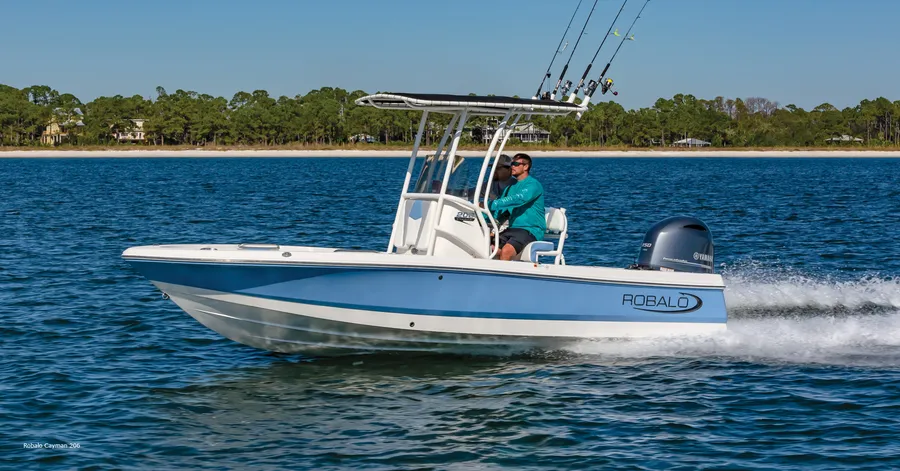
Evaluating a premium vessel across complex regional water systems—whether navigating the high-density holiday channels of Lake Conroe, tracking shifting river currents in Beaumont, or managing coastal tidal movements throughout Clear Lake—demands strict mechanical competence and a hull configuration optimized for highly variable hydrodynamics. Digital specification lists, high-definition photography, and layout blueprint lines form a critical research baseline, yet they remain static models. They cannot simulate the complex variables of live South Texas water columns.
Executing a structured, on-water demonstration run transitions your acquisition process from a calculated gamble to an objective, verified analysis of performance, visibility, and hull engineering.
1. Dynamic Hull Hydrodynamics and Transom Feedback
A vessel resting on carpeted showroom cradles completely conceals its dynamic running attitude, hole-shot acceleration vectors, and low-velocity backing tracking.
- Calibrate Acceleration Fields: When applying throttle from a dead stop, analyze the hull's precise bow-rise displacement. An excessive bow-high period restricts forward visibility lines and forces the power plant to labor against the water column, increasing fuel burn.
- Isolate High-Velocity Hull Slamming: Transition the vessel directly across cross-cutting displacement wakes and ambient head chop at a 25 MPH cruising velocity. A premium platform—such as a deep-Vee Robalo center console, a high-capacity dual console, or an advanced bay boat hull—must slice cleanly through turbulence without transmitting severe structural pounding or rattles into the helm console.
2. Ergonomic Line-of-Sight and Acoustic Staging
Showroom seating feels fundamentally different once a multi-ton hull is actively banking through a high-wind channel or maneuvering near tight marina perimeters.
- Trace Helm Visibility Lines: Sit squarely in the helmsman’s command chair and articulate the throttle binnacle through its full range of motion. Confirm that your view of the port and starboard horizons remains clear during hard banking maneuvers, and verify that the digital telemetry instruments stay readable under direct South Texas sunlight.
- Quantify Acoustic Footprints: Evaluate the decibel output and structural resonance of the propulsion system while under load. High vibration levels or excessive mechanical noise from older or uncalibrated gearboxes accelerate crew fatigue over a long afternoon. This highlights the long-term advantage of modern, digitally networked engine architectures.
3. Model Comparison and Task-Specific Rigging
With Robalo’s range spanning from 206 models up to 266 platforms, a live run allows you to cross-reference multiple configurations back-to-back under identical real-world conditions.
- Assess Interior Spatial Layouts: Evaluate the physical deck square footage under live operational conditions. A firsthand trial reveals the subtle differences in layout, seating capacity, and storage placement that are impossible to fully visualize from spec sheets alone, helping you determine how much space remains clear for gear, passengers, and fishing equipment.
- Consult with Factory-Trained Staff: Utilizing an on-water demonstration pairs you with experienced crew members who can actively break down different boating needs. This guidance helps decode which hull profile, weight displacement, and transom rigging package match your target lifestyle, whether your primary mission profile centers on serious angling, family outings, or weekend cruising.
4. Core Low-Velocity Mechanical Handling Controls
The true test of long-term ownership satisfaction is whether a single adult can handle all launching, tracking, and docking tasks smoothly without requiring a full crew to manage lines.
- Master the Idle-and-Neutral Pulse Technique: During your on-water trial, practice handling the boat near close-quarters piling lines or a courtesy dock using brief, short pulses of power. Slip the transmission into forward idle for one continuous second, then drop back into neutral to let the boat coast. Relying on the hull's natural hydrodynamic drag allows for absolute control over tracking adjustments without risking high-velocity gelcoat impacts.
- The Controlled Abort Matrix: If a sudden rogue wake or heavy crosswind gust pushes your bow off-axis near a piling, never attempt to force a bad approach. Immediately execute a controlled abort sequence: shift cleanly into reverse, back out into open water, reset your alignment axis, and execute a fresh, calculated approach vector rather than forcing a compromised line.
Technical Frequently Asked Questions
What is the legal speed restriction for operating a watercraft after dark in Texas waters? While open public reservoirs do not feature posted speed limits during peak daylight windows, Texas maritime law enforces a strict 25 MPH speed limit at night (defined from 30 minutes after sunset to 30 minutes before sunrise). This regulation is vital because ambient shoreline lights easily blend with structural vessel lighting after dark, making it exceptionally difficult to judge tracking velocities, closing distances, and floating hazards.
Why is running the engine bilge blower mandatory before launching or starting an inboard vessel? Fuel vapors are heavier than atmospheric air and will naturally settle into the lowest quadrants of a sealed engine compartment or bilge space. Texas maritime regulations mandate running your engine bilge blowers for a minimum of four continuous minutes prior to starting the engine or turning on electrical systems. This process evacuates any trapped combustible vapors out of the hull, eliminating the risk of a catastrophic static spark explosion inside the engine bay.
Sourcing Authorized Marine Assets & Technical Upkeep
Safeguarding your vessel through variable seasonal conditions requires outfitting your platform with components and mechanical structures calibrated to exact manufacturer tolerances.
- Comprehensive New and Pre-Owned Showrooms: To evaluate rough-water hull geometries, test luxury trim lines, or compare the tracking profiles of elite regional brands, explore our complete regional inventories of New Boats and strictly certified Used Boats.
- Advanced Transom Repower Operations: If your existing power plant exhibits low-end throttle lag or lacks modern digital networks near the courtesy docks, outfitting your transom through our specialized Repower Mercury or Repower Yamaha hubs installs advanced control systems for absolute handling precision.
- Certified Multi-Point Systems Maintenance: From testing low-voltage battery capacities under load to replacing raw-water pump impellers or diagnosing hydraulic steering binding, trust our factory-trained technicians at the Texas Marine Service Center department. For do-it-yourself maintenance, our Parts Center supplies factory-direct filters, zinc anodes, and marine accessories.
Fleet Allocation and Financial Coordination
What structural consumer credit frameworks exist for premium vessel procurement? Our internal Financing office constructs customized consumer portfolios, allowing buyers to seamlessly bundle their high-performance hull selection, reliable outboards, technical navigation electronics, and comprehensive Marine Insurance protections into a single structured loan.
Can I leverage my current boat's equity to transition to a modern rough-water platform? Yes. We facilitate transparent, market-accurate asset evaluations to eliminate personal listing delays. To liquidate your old hull and apply its equity directly toward an upgrade, submit your vessel's technical specifications to our Sell / Trade department.
How do I track upcoming dealer events or connect with Texas Marine? To learn about our 45-year legacy serving Southeast Texas mariners, visit our About Us page. You can monitor our active schedule of safe-boating seminars, captain safety workshops, and regional boat shows on our Events page, track continuous technical maintenance guides on our Blog section, see verified customer feedback on our Reviews directory, or connect directly with our specialized team members via our Staff index. To review extended service coverages, check our Extended Service Contracts checklist, and find current promotions on our Specials page. Experience these performance traits firsthand and evaluate various configurations across real-world water conditions by planning your attendance around our scheduled Demo Day events.