



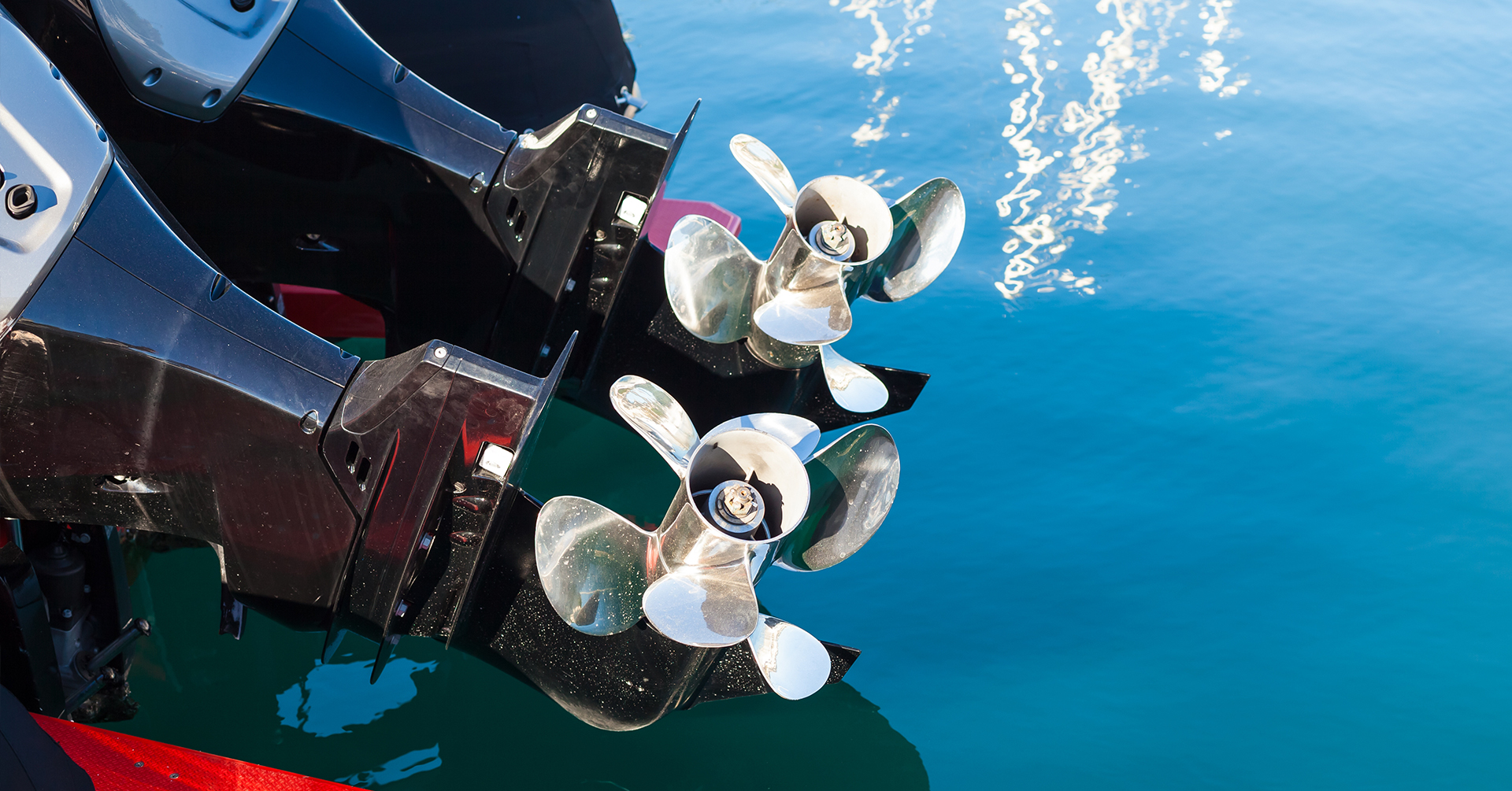
Evaluating a premium vessel across Southeast Texas's distinct regional waterways—whether preparing to launch into the high-density holiday channels of Lake Conroe, navigating the river networks of Beaumont, or charting complex tidal runs out of Clear Lake—demands strict mechanical competence and a proactive approach to troubleshooting. The initial high-temperature weekend of the summer season represents the ultimate stress test for a marine propulsion system. Components that appeared stable during a cold, zero-load garage layup can fail rapidly when subjected to intense ambient heat, continuous cyclic workloads, and dynamic water column vibrations.
Ignoring early mechanical warning signs, automated engine guardian modes, or subtle shifts in handling dynamics can turn a minor fix into an early-season breakdown. Implementing a rigorous diagnostic protocol is your primary line of defense against lost weekends on the water.
1. Low-Voltage Electrical Liabilities and Starting Failures
Extended winter layups naturally promote slow chemical self-discharge inside marine lead-acid or AGM battery banks, while high local humidity levels form thin resistance fields across exposed wiring points.
- Isolate Electrical Continuity Breaks: If the engine fails to turn over or cranks slowly, immediately audit the primary battery selector switch, main circuit breakers, and terminal connections. A loose or oxidized terminal nut can prevent the starter motor from receiving the necessary amperage.
- Execute Dynamic Load Testing: Never rely on a standard volt meter to gauge battery health; a battery can display 12.6 volts at rest but drop completely under the high-amperage draw of an engine starter. Connect a carbon-pile load tester to verify actual cold cranking amps (CCA). Clean all terminal lugs with a brass wire brush, coat them with anti-corrosive marine grease, and tighten them down using standard mechanical tools—never rely on hand-tightened wing nuts. If a battery repeatedly drops voltage under load, stop hoping it will self-correct and replace it immediately.
2. Thermal Management and Open-Loop Cooling Failures
Operating a marine engine with dry-rotted or compromised raw-water components will cause a rapid thermal spike that can score cylinder walls, burn through exhaust couplers, or warp aluminum cylinder heads within minutes of operation.
- Analyze Raw-Water Intake Integrity: A sudden overheat alarm at helm telemetry or a weak cooling discharge stream indicates a failure in the open-loop cooling system. Flexible rubber water pump impellers set into a rigid, curved shape when left stationary inside the pump housing over the winter; upon initial spring acceleration, these brittle blades frequently split or delaminate from their hubs.
- Isolate Shallow and Ramp Debris: Submerged mud, aquatic weeds, and debris from the launch ramp area can easily block lower unit water intakes or hull pickup ports. If an automated overheat alarm activates at the helm, treat it as a critical, real-time threat. Immediately throttle back to neutral, secure the engine, and isolate the blockage—never attempt to "push through" a thermal alarm.
3. Fuel Stratification and Idle Surging Analytics
Leaving fuel cells unmanaged during winter storage leads to atmospheric moisture accumulation and chemical degradation, which can compromise internal fuel delivery components.
- Phase Separation and Water Contamination: Modern ethanol-blended fuels are highly hygroscopic, actively drawing moisture directly from the air. When this water absorption hits critical mass, chemical phase separation occurs, forcing a dense, corrosive water-and-ethanol layer to drop directly to the bottom of the fuel cell where the engine pick-up tube sits. Operating on this lean mixture causes severe cylinder detonation, rough idling, surging, and fuel starvation.
- Establish a Clean Fuel Baseline: Spin off your fuel-water separator filters and check the internal fluid levels for water accumulation. Install fresh, high-purity filter elements and treat the system with premium fuel stabilizers to establish a reliable fuel baseline before attempting extended cruising loops.
4. Mechanical Controls and Steering Binding Reductions
Directional controls and helm linkages must function with absolute responsiveness when navigating narrow channels, crowded coves, or heavy crosswinds near terminal bulkheads.
- Hydraulic and Cable Feedback Audits: Stiff, notched, or binding feedback through the helm steering wheel indicates that marine lubricants have oxidized and hardened inside the support cables, or that small fluid weeps have introduced air pockets into a closed hydraulic circuit.
- Maintain Close-Quarters Steering Safety: Never ignore a stiff steering helm. High mechanical resistance can worsen rapidly under the dynamic torque loads of an accelerating propeller, making close-quarters maneuvering and trailer docking highly dangerous. Inspect the steering ram seals near your transom or outboard pivot point for dried grease crusts or hydraulic fluid weeps.
Technical Frequently Asked Questions
What is the legal speed restriction for operating a watercraft after dark in Texas waters? While open public reservoirs do not feature posted speed limits during peak daylight windows, Texas maritime law enforces a strict 25 MPH speed limit at night (defined from 30 minutes after sunset to 30 minutes before sunrise). This regulation is vital because ambient shoreline lights easily blend with structural vessel lighting after dark, making it exceptionally difficult to judge tracking velocities, closing distances, and floating hazards.
Why is running the engine bilge blower mandatory before launching or starting an inboard vessel? Fuel vapors are heavier than atmospheric air and will naturally settle into the lowest quadrants of a sealed engine compartment or bilge space. Texas maritime regulations mandate running your engine bilge blowers for a minimum of four continuous minutes prior to starting the engine or turning on electrical systems. This process evacuates any trapped combustible vapors out of the hull, eliminating the risk of a catastrophic static spark explosion inside the engine bay.
Sourcing Authorized Marine Assets & Technical Upkeep
Safeguarding your vessel through variable seasonal conditions requires outfitting your platform with components and mechanical structures calibrated to exact manufacturer tolerances.
- Comprehensive New and Pre-Owned Showrooms: To evaluate rough-water hull geometries, test luxury trim lines, or compare the tracking profiles of elite regional brands, explore our complete regional inventories of New Boats and strictly certified Used Boats.
- Advanced Transom Repower Operations: If your existing power plant exhibits low-end throttle lag or lacks modern digital networks near the courtesy docks, outfitting your transom through our specialized Repower Mercury or Repower Yamaha hubs installs advanced control systems for absolute handling precision.
- Certified Multi-Point Systems Maintenance: From testing low-voltage battery capacities under load to replacing raw-water pump impellers or diagnosing hydraulic steering binding, trust our factory-trained technicians at the Texas Marine Service Center department. For do-it-yourself maintenance, our Parts Center supplies factory-direct filters, zinc anodes, and marine accessories.
Fleet Allocation and Financial Coordination
What structural consumer credit frameworks exist for premium vessel procurement? Our internal Financing office constructs customized consumer portfolios, allowing buyers to seamlessly bundle their high-performance hull selection, reliable outboards, technical navigation electronics, and comprehensive Marine Insurance protections into a single structured loan.
Can I leverage my current boat's equity to transition to a modern rough-water platform? Yes. We facilitate transparent, market-accurate asset evaluations to eliminate personal listing delays. To liquidate your old hull and apply its equity directly toward an upgrade, submit your vessel's technical specifications to our Sell / Trade department.
How do I track upcoming dealer events or connect with Texas Marine? To learn about our 45-year legacy serving Southeast Texas mariners, visit our About Us page. You can monitor our active schedule of safe-boating seminars, captain safety workshops, and regional boat shows on our Events page, track continuous technical maintenance guides on our Blog section, see verified customer feedback on our Reviews directory, or connect directly with our specialized team members via our Staff index. To review extended service coverages, check our Extended Service Contracts checklist, and find current promotions on our Specials page. Experience these performance traits firsthand and evaluate various configurations across real-world water conditions by planning your attendance around our scheduled Demo Day events.