


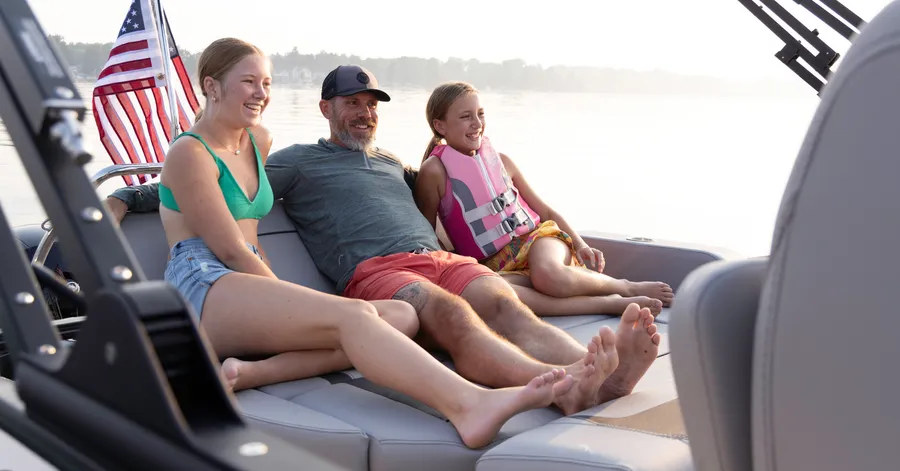
Taking Dad out on the water is the perfect way to celebrate Father’s Day, but holiday weekends always bring large crowds and busy boat traffic. Whether you are clearing the boat ramps on Lake Conroe, cruising the river bends around Beaumont, or setting out from Clear Lake, the waterways will be full of families enjoying the sunshine. On a major holiday like this, trying to rush through an overpacked itinerary can quickly make the day feel like hard work instead of a relaxing getaway.
The secret to a stress-free Father’s Day is keeping things simple, setting one main event for the day, and avoiding the peak afternoon rush at the docks.
1. Choose One "Hero Activity" and Get an Early Start
Trying to squeeze wakesurfing, tubing, distance cruising, and a dockside restaurant visit into a single afternoon causes passenger fatigue and puts a lot of pressure on the captain.
- Focus on One Primary Mission: Talk to Dad before you leave the slip and pick one main focus for the day—whether that is dedicated wakesurf sets, high-speed tubing loops for the kids, or a long, quiet cruise to a peaceful anchorage. Plan your day around that single goal.
- Launch Early to Beat the Crowds: Capitalize on the calm morning weather by having your boat launched and past the no-wake zones before 9:00 AM. Hitting the lake early lets Dad enjoy beautiful, glassy water for towing or surfing, and it saves your family from waiting in long, hot lines at the public boat ramps.
2. Streamline Your Snacks and Take a Midday Shade Break
The intense Texas summer sun drains everyone's energy quickly, making sun protection and easy refreshments essential for a smooth day.
- Keep Boat Food Simple: Leave the complicated meals that require cutting boards, knives, or two hands to assemble at home. Stick to simple, easy-to-eat finger foods that passengers can handle one-handed without risking messy spills across your premium marine vinyl seats or blocking the helm walkway.
- Enforce a Lunchtime Rest Period: Between 11:30 AM and 2:30 PM—when the UV rays are strongest and the channels get packed with heavy boat traffic—tuck into a protected, deep-water cove. Open up your full bimini top or sun canopy, drop anchor, and let everyone cool off in the shade to prevent heat exhaustion.
3. Plan a Smooth, Low-Stress Return to the Ramp
The end of a holiday weekend is the most common time for family tempers to flare, usually due to chaotic bottlenecks at the loading docks.
- Avoid the Sunset Bottleneck: The vast majority of boaters wait until the absolute last drop of daylight to head toward the docks, creating massive traffic jams at the boat ramps. Decisively plan your return trip to pull out well before the late-afternoon rush, or enjoy a late dinner at anchor and wait out the crowd entirely.
- Be Ready to Back Off and Reset: If sudden wind shifts, cross-currents, or massive wakes from passing boats disrupt your approach to the trailer frame, never try to force the boat on with sudden, aggressive bursts of throttle. Keep your cool, back safely out into open water, reset your alignment, and try a fresh, calm approach.
4. Keep Your Crew Safe and Your Deck Organized
A relaxed day for Dad depends entirely on keeping your life-safety gear organized and your passengers from getting completely overtired.
- Keep Tow Sessions Brief: When boating with young kids, break up the water time into short, structured blocks. Alternate active swimming or tubing sessions with mandatory breaks under the canopy to drink water, rest, and reapply sunscreen.
- Organize Your Lines: Keep all your tow ropes neatly coiled, organized, and completely clear of the swim platforms and walkthrough paths. Make sure the captain maintains a clear, 360-degree visual scan and assigns a dedicated crew member to act as a spotter whenever a swimmer is in the water.
Frequently Asked Questions
What is the legal speed restriction for operating a watercraft after dark in Texas waters? While open public reservoirs do not feature posted speed limits during peak daylight windows, Texas maritime law enforces a strict 25 MPH speed limit at night (defined from 30 minutes after sunset to 30 minutes before sunrise). This regulation is vital because ambient shoreline lights easily blend with structural vessel lighting after dark, making it exceptionally difficult to judge tracking velocities, closing distances, and floating hazards.
Why is running the engine bilge blower mandatory before launching or starting an inboard vessel? Fuel vapors are heavier than atmospheric air and will naturally settle into the lowest quadrants of a sealed engine compartment or bilge space. Texas maritime regulations mandate running your engine bilge blowers for a minimum of four continuous minutes prior to starting the engine or turning on electrical systems. This process evacuates any trapped combustible vapors out of the hull, eliminating the risk of a catastrophic static spark explosion inside the engine bay.
Sourcing Authorized Marine Assets & Technical Upkeep
Safeguarding your vessel through variable seasonal conditions requires outfitting your platform with components and mechanical structures calibrated to exact manufacturer tolerances.
- Comprehensive New and Pre-Owned Showrooms: To evaluate rough-water hull geometries, test luxury trim lines, or compare the tracking profiles of elite regional brands, explore our complete regional inventories of New Boats and strictly certified Used Boats.
- Advanced Transom Repower Operations: If your existing power plant exhibits low-end throttle lag or lacks modern digital networks near the courtesy docks, outfitting your transom through our specialized Repower Mercury or Repower Yamaha hubs installs advanced control systems for absolute handling precision.
- Certified Multi-Point Systems Maintenance: From testing low-voltage battery capacities under load to replacing raw-water pump impellers or diagnosing hydraulic steering binding, trust our factory-trained technicians at the Texas Marine Service Center department. For do-it-yourself maintenance, our Parts Center supplies factory-direct filters, zinc anodes, and marine accessories.
Fleet Allocation and Financial Coordination
What structural consumer credit frameworks exist for premium vessel procurement? Our internal Financing office constructs customized consumer portfolios, allowing buyers to seamlessly bundle their high-performance hull selection, reliable outboards, technical navigation electronics, and comprehensive Marine Insurance protections into a single structured loan.
Can I leverage my current boat's equity to transition to a modern rough-water platform? Yes. We facilitate transparent, market-accurate asset evaluations to eliminate personal listing delays. To liquidate your old hull and apply its equity directly toward an upgrade, submit your vessel's technical specifications to our Sell / Trade department.
How do I track upcoming dealer events or connect with Texas Marine? To learn about our 45-year legacy serving Southeast Texas mariners, visit our About Us page. You can monitor our active schedule of safe-boating seminars, captain safety workshops, and regional boat shows on our Events page, track continuous technical maintenance guides on our Blog section, see verified customer feedback on our Reviews directory, or connect directly with our specialized team members via our Staff index. To review extended service coverages, check our Extended Service Contracts checklist, and find current promotions on our Specials page. Experience these performance traits firsthand and evaluate various configurations across real-world water conditions by planning your attendance around our scheduled dealer gatherings on our primary active hub.