



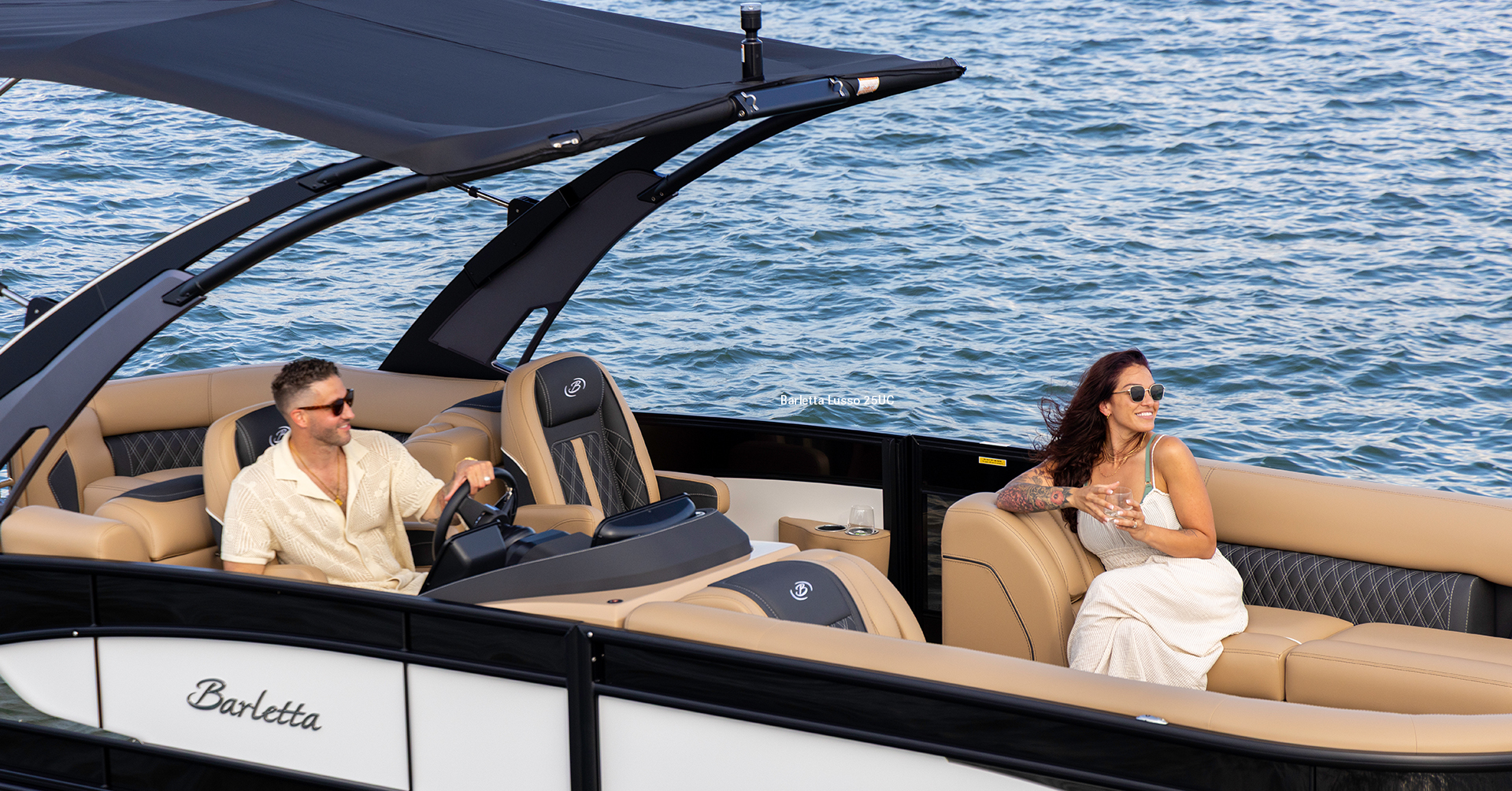
Evaluating a premium pontoon or high-performance tri-toon watercraft across Southeast Texas's distinct regional waterways—whether preparing to launch into the high-density holiday channels of Lake Conroe, navigating the river networks of Beaumont, or charting complex tidal runs out of Clear Lake—demands moving past basic visual styling to analyze the real-world functional geometry of the deck layout. A pontoon represents a blank canvas where structural furniture positioning directly dictates passenger traffic flow, dynamic weight distribution, and lifestyle utility. A configuration that appears open and spacious in a static showroom can rapidly feel restricted once loaded with provisions, high-capacity coolers, and a full crew manifest.
Implementing a rigorous evaluation of seating ergonomics, thermal management assets, and hidden volume capacity is your primary line of defense against onboard clutter, deck traffic bottlenecks, and tracking imbalances on the water.
1. Structural Layout Geometries and Mission Staging
Pontoon configurations fall into distinct engineering profiles tailored to specific watercraft activities. Selecting the correct arrangement requires matching your layout choice to your primary on-water mission.
- Social and Conversation Lounge Layouts: Engineered with facing parallel couches, wrap-around bow furniture, and central cockpit walking lanes, these configurations maximize the "living room" footprint. They are optimized for slow social cruising, large-group entertainment, and stationary cove staging where passenger interaction is the main priority.
- Family and Fishing Hybrid Architectures: These designs open up the forward or aft decks by removing wrap-around couches and installing specialized pedestal fishing chairs, integrated bait stations, livewells, and rod locker modules. This arrangement delivers extreme utility for multi-generational crews who want to alternate between serious angling sets and relaxed afternoon cruising.
- Rear-Facing Loungers and Tow-Friendly Sterns: This configuration positions oversized, rear-facing sun loungers along the aft section of the deck, providing clear, uninhibited sightlines behind the transom. This layout maximizes stern space and is ideal for tracking lines and observing wake or surf sport activities without forcing passengers to turn awkwardly in their seats while underway.
2. Thermal Management and Shade Architecture
Under intense South Texas summer heat loops, thermal protection moves past a basic cosmetic choice to become a critical safety metric for preventing passenger heat exhaustion and keeping crews comfortable.
- Maximize Canopy Footprint Coverages: Analyze the exact footprint of the primary bimini assembly or integrated sport arch canopy. A standard single bimini provides localized coverage, but under a blazing midday sun at idle, it leaves the bow or stern sections exposed to direct UV radiation. Upgrading to a dual-bimini setup or an automated power-top system establishes a continuous shade barrier across the entire length of the deck gates.
3. Sub-Floor and Under-Seat Storage Volume Maximization
Clutter is the primary enemy of onboard comfort and deck tracking safety. A layout fails if critical life safety equipment or loose items block your primary walkthrough gates.
- Isolate Wet and Dry Storage Zones: Ensure your pontoon features a combination of self-bailing, rotomolded under-seat compartments for dry gear bags and specialized sub-floor central storage lockers for long lines, wakeboards, skis, and water toys. Wet items must route to lockers equipped with integrated ventilation loops to prevent mildew accumulation inside the structural bench seat bases.
- Assess Dedicated Cooler Placement: Verify that the layout includes a dedicated, secure recess for heavy rotomolded coolers. If a cooler must sit loosely in an active walking lane or block access to a storage gate, it will create a constant physical barrier for your passengers every time the boat transitions to plane.
4. Hull Engineering Physics: The Tri-Toon Choice
The choice between a standard twin-log pontoon and a specialized tri-toon configuration changes the mechanical capabilities and rough-water stability of your platform.
- Analyze Dynamic Displacement Requirements: Traditional twin-tube configurations excel during calm, low-velocity lake cruising. However, if your mission involves navigating high-density holiday channels or rough open bays, a tri-toon setup—incorporating a third central pontoon log with integrated lifting strakes—dramatically improves performance. A tri-toon adds crucial structural rigidity, increases maximum horsepower capacity, minimizes hull roll during banking turns, and slices cleanly through heavy chop to preserve ride quality with a large crew.
- Match Hull Length to Docking Comfort: Avoid the temptation to buy more length than your primary operator can comfortably control. A massive deck platform provides extreme interior space, but it introduces a larger wind profile that can make low-speed docking maneuvers stressful during crosswinds near narrow slips or ramp pilings.
Technical Frequently Asked Questions
What is the legal speed restriction for operating a watercraft after dark in Texas waters? While open public reservoirs do not feature posted speed limits during peak daylight windows, Texas maritime law enforces a strict 25 MPH speed limit at night (defined from 30 minutes after sunset to 30 minutes before sunrise). This regulation is vital because ambient shoreline lights easily blend with structural vessel lighting after dark, making it exceptionally difficult to judge tracking velocities, closing distances, and floating hazards.
Why is running the engine bilge blower mandatory before launching or starting an inboard vessel? Fuel vapors are heavier than atmospheric air and will naturally settle into the lowest quadrants of a sealed engine compartment or bilge space. Texas maritime regulations mandate running your engine bilge blowers for a minimum of four continuous minutes prior to starting the engine or turning on electrical systems. This process evacuates any trapped combustible vapors out of the hull, eliminating the risk of a catastrophic static spark explosion inside the engine bay.
Sourcing Authorized Marine Assets & Technical Upkeep
Safeguarding your vessel through variable seasonal conditions requires outfitting your platform with components and mechanical structures calibrated to exact manufacturer tolerances.
- Comprehensive New and Pre-Owned Showrooms: To evaluate rough-water hull geometries, test luxury trim lines, or compare the tracking profiles of elite regional brands, explore our complete regional inventories of New Boats and strictly certified Used Boats.
- Advanced Transom Repower Operations: If your existing power plant exhibits low-end throttle lag or lacks modern digital networks near the courtesy docks, outfitting your transom through our specialized Repower Mercury or Repower Yamaha hubs installs advanced control systems for absolute handling precision.
- Certified Multi-Point Systems Maintenance: From testing low-voltage battery capacities under load to replacing raw-water pump impellers or diagnosing hydraulic steering binding, trust our factory-trained technicians at the Texas Marine Service Center department. For do-it-yourself maintenance, our Parts Center supplies factory-direct filters, zinc anodes, and marine accessories.
Fleet Allocation and Financial Coordination
What structural consumer credit frameworks exist for premium vessel procurement? Our internal Financing office constructs customized consumer portfolios, allowing buyers to seamlessly bundle their high-performance hull selection, reliable outboards, technical navigation electronics, and comprehensive Marine Insurance protections into a single structured loan.
Can I leverage my current boat's equity to transition to a modern rough-water platform? Yes. We facilitate transparent, market-accurate asset evaluations to eliminate personal listing delays. To liquidate your old hull and apply its equity directly toward an upgrade, submit your vessel's technical specifications to our Sell / Trade department.
How do I track upcoming dealer events or connect with Texas Marine? To learn about our 45-year legacy serving Southeast Texas mariners, visit our About Us page. You can monitor our active schedule of safe-boating seminars, captain safety workshops, and regional boat shows on our Events page, track continuous technical maintenance guides on our Blog section, see verified customer feedback on our Reviews directory, or connect directly with our specialized team members via our Staff index. To review extended service coverages, check our Extended Service Contracts checklist, and find current promotions on our Specials page. Experience these performance traits firsthand and evaluate various configurations across real-world water conditions by planning your attendance around our scheduled Demo Day events.